Product Guides
Furniture Frame Plywood: BB/CC vs CDX Grade Specifications for Importers
Plywood grade codes on factory quotes look like alphabet soup, but BB/CC vs CDX determines whether a sofa frame survives a decade
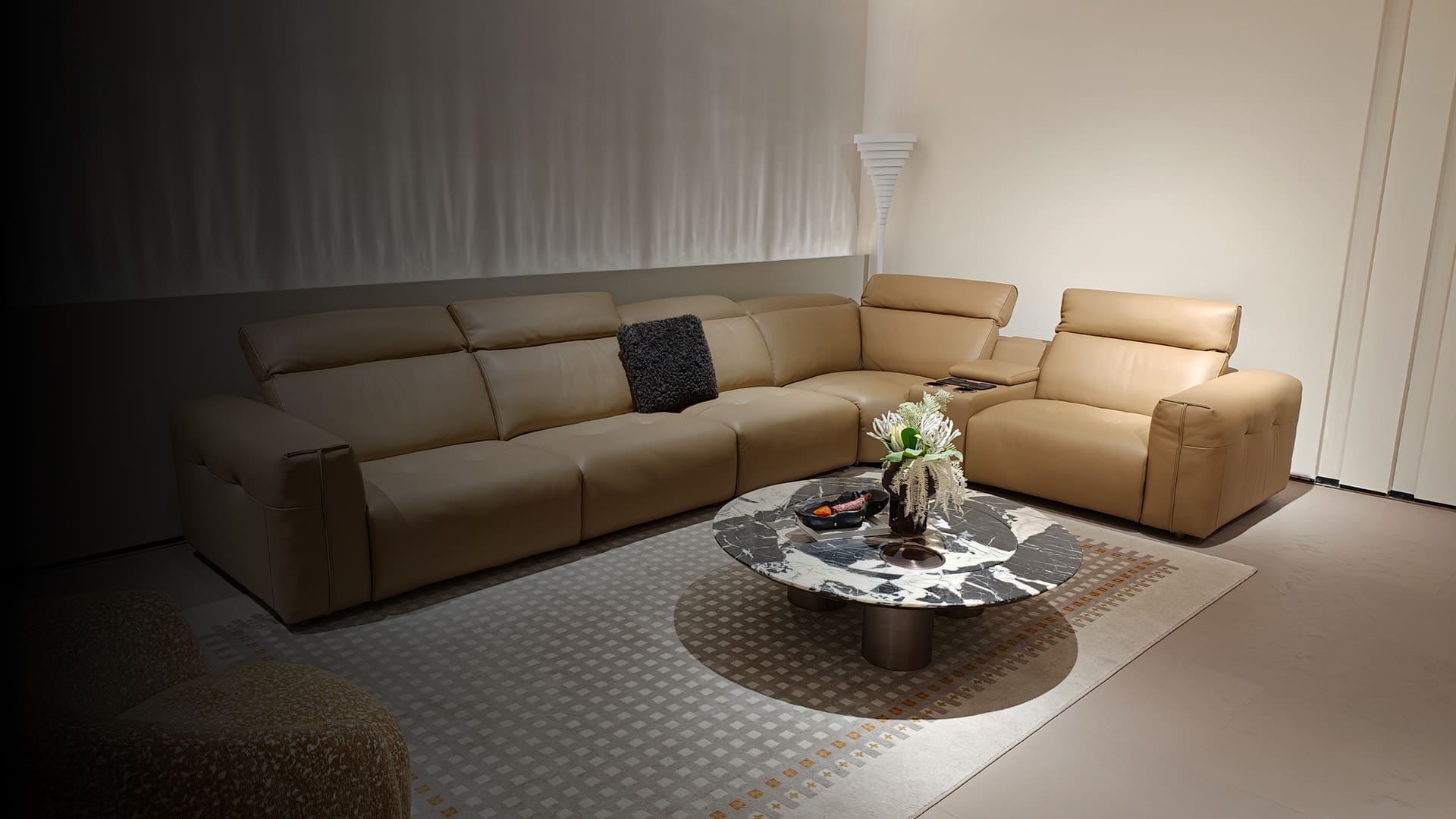
Walk through any furniture sourcing office and the conversation repeats itself: two factories quote the same three-seater in full-grain leather, same grade, same foam density, same frame spec, and the prices differ by double digits. The reflex is to assume one factory is padding the quote. The professional reflex is to ask a different question — what hide yield did each factory plan against? That single number explains more price variance than foam density, frame species, or labor rate combined.
Hide yield is the percentage of a finished hide that can be cut into usable sofa panels. The formula is straightforward:
Yield (%) = (Usable Cut Area / Total Hide Area) x 100
A standard bovine hide from a European tannery runs 45 to 52 square feet after splitting to upholstery substance. Of that surface, only a portion delivers defect-free, pattern-grade panels large enough for seat cushions, inside backs, and outside arms. The rest is consumed by natural characteristics, trimming loss, and offcut. Where a buyer assumes one yield and a factory plans against another, the leather consumption figure — and therefore the price — diverges sharply.
A finished hide carries the biography of the animal. Brands — the invisible I.D. tattoos applied to the animal's back during ranching — tick bites, barbed-wire scratches, belly stretch marks, and neck wrinkles are not defects in the manufacturing sense. They are the material. Tanneries grade around them, but they cannot eliminate them.
A hide planned at 70% yield assumes the cutter extracts clean panels from back, belly, and shoulder. A hide planned at 55% assumes the cutter uses the back only — the rest becomes scrap credit.
Consider a three-seater sofa requiring 220 square feet of cut leather. Use a 45-square-foot hide at USD 4.00 per square foot (USD 180 per hide). At three different yield assumptions, the hide count and material cost shift dramatically:
| Planned Yield | Usable Area per Hide | Hides per Sofa | Leather Cost |
|---|---|---|---|
| 55% | 24.8 sq.ft. | 8.9 | USD 1,600 |
| 70% | 31.5 sq.ft. | 7.0 | USD 1,257 |
| 85% | 38.3 sq.ft. | 5.8 | USD 1,035 |
Moving from a 55% yield plan to an 85% yield plan cuts material cost by USD 565 per sofa — a 35% reduction. Looked at from the other end, planning at 55% yield instead of 85% inflates the leather line by 54%. That swing is what surfaces as the double-digit price gap between two seemingly identical quotes. The lower-yield factory is not necessarily more expensive; they may be quoting against a monolithic cushion spec that demands large unblemished panels. Without yield disclosure, the buyer cannot tell.
A minimalist three-seater with a single-piece seat cushion and unbroken inside-back panels demands high-yield hides. Yield assumptions below 75% will not produce the panels — the cutter cannot extract a large unblemished panel from a 55%-yield hide. The factory must either source higher-grade hides or accept that the cushion will require a seam the buyer may not have approved.
A shelter-arm contemporary sofa with channel-stitched inside arms, four-piece cushion tops, and a paneled outside back tolerates yield assumptions as low as 55%. The cutter nests small panels around imperfections, using belly and shoulder aggressively. This is why two visually similar sofas in the same leather can sit USD 400 apart on the factory quote — the segmented one runs a tighter yield.
Diamond-tufted and channel-stitched frames consume additional leather for fold-under and button anchoring. Add 8 to 12% to the base cut area for these constructions, and the yield impact compounds.
A professional buyer does not ask "what leather did you use" — they ask the questions that force yield disclosure:
Hide yield is not a tannery abstraction. It is the swing variable that explains why two factories, quoting the same sofa in the same leather, produce prices a buyer cannot reconcile. The leather itself is rarely the difference — the planning is. A buyer who learns to ask yield questions stops comparing quotes and starts comparing plans.

Plywood grade codes on factory quotes look like alphabet soup, but BB/CC vs CDX determines whether a sofa frame survives a decade
A dining chair seat shell is the component that decides whether the chair lasts three years or thirty. The material underneath the
A field-tested guide to identifying, verifying, and qualifying furniture source factories in China. From distinguishing real facto

SCAN TO ADD OUR WECHAT
Leave a Comment