Product Guides
Furniture Frame Plywood: BB/CC vs CDX Grade Specifications for Importers
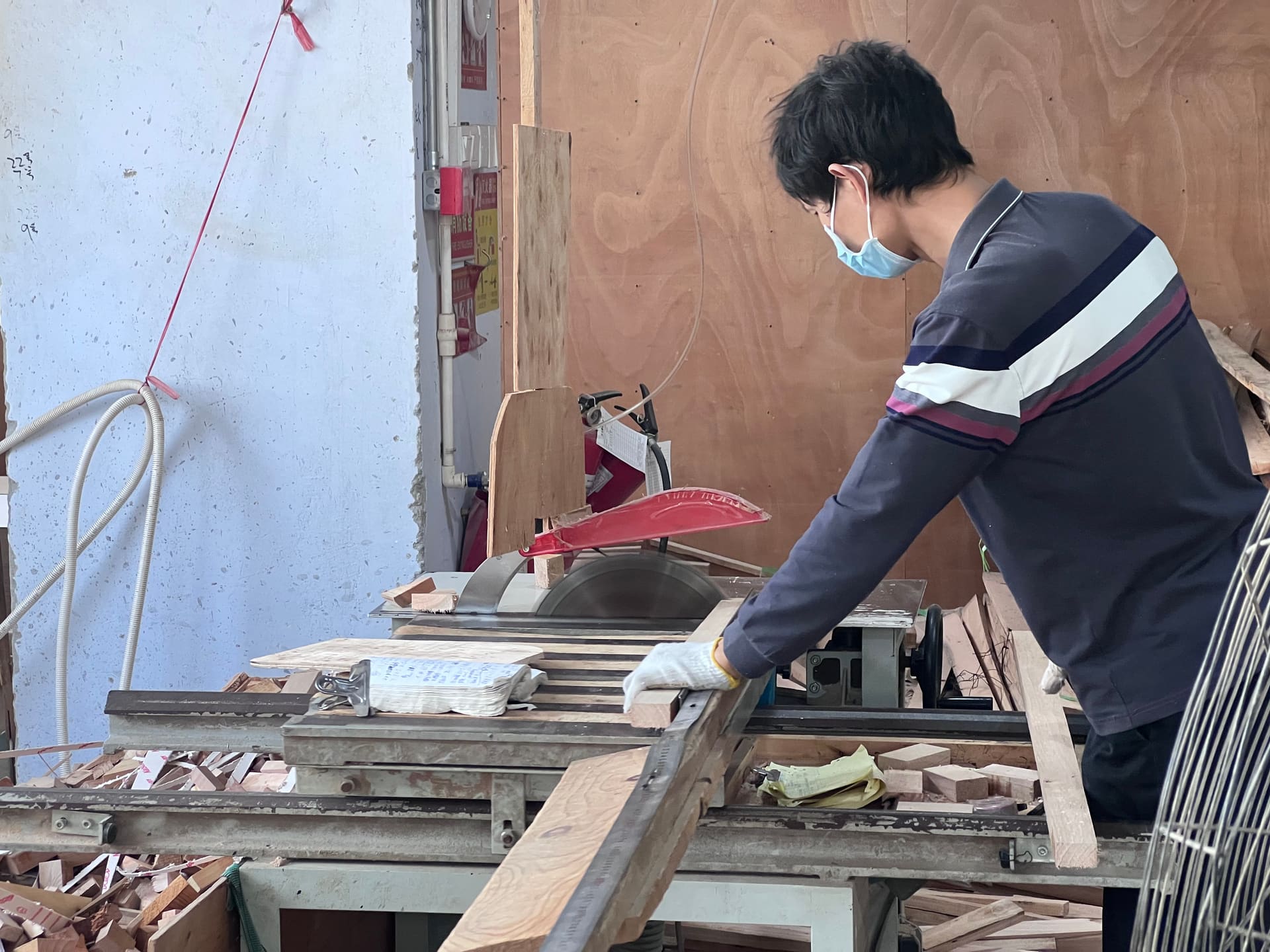
Plywood grade codes on factory quotes look like alphabet soup, but BB/CC vs CDX determines whether a sofa frame survives a decade
The visible part of a dining chair — the upholstery, the leg finish, the trim — is what the showroom visitor reacts to. The part that decides whether the chair survives a 200-cover restaurant is hidden under the upholstery. It is the seat shell: the load-bearing surface the user actually sits on. Four materials dominate the contract market, and choosing between them is not a matter of preference. It is a matter of matching the shell's mechanical behavior to the use environment.
Every time a user sits, stands, shifts weight, or leans back, the seat shell absorbs the load and redistributes it to the frame and legs. Over thousands of cycles, the shell either holds its shape or fatigues. A shell that flexes permanently under load develops a visible sag; a shell that becomes brittle under UV and heat cracks at stress concentrations; a shell that absorbs moisture warps and rocks. The upholstery hides early failure, but by month ten the user feels it. Specifying the shell material is therefore the single most consequential engineering decision in contract dining chair procurement.
Molded plywood shells are formed from thin veneers of beech or birch, bonded under heat and pressure into a compound curve that distributes load across the seat area. The material is dimensionally stable, repairable, and accepts upholstery staples directly. A well-molded plywood shell rated at 120 kg static load and 40,000 fatigue cycles handles most hospitality environments.
The failure mode is delamination. If the veneer adhesive is under-specified or the molding pressure is inconsistent, the plies separate under fatigue, and the separation is invisible under the upholstery until the seat collapses. Specify the veneer species (beech or birch), the ply count (typically seven to nine), the adhesive (moisture-resistant urea-formaldehyde or phenolic), and the fatigue cycle target. A plywood shell without a ply count and adhesive spec is a shell a factory can downgrade silently.
Injection-molded polypropylene shells are the standard in high-volume hospitality and contract dining. PP is light, dimensionally stable, immune to moisture, and available in any compound curve a mold can produce. A 3 mm to 5 mm wall thickness reinforced with ribbing handles 150 kg static load comfortably, and the material flexes rather than fractures under impact — a critical property in environments where chairs are stacked, dragged, and dropped.
The failure mode is UV embrittlement and creep. PP exposed to prolonged sunlight becomes brittle, and a shell that survived ten thousand cycles indoors can crack outdoors. PP also creeps under sustained load — a loaded chair left in a hot van during transport can develop a permanent set. Specify UV stabilizers for any outdoor or sun-exposed application, and specify a glass-fiber-reinforced grade (PP-GF20, 20 percent glass fiber) for high-load contract use. Unreinforced PP is acceptable for residential and light hospitality; reinforced PP is the floor for serious contract.
Fiberglass-reinforced plastic (FRP) shells are molded from glass fiber mat saturated with resin, producing a rigid, high-stiffness shell that handles the heaviest loads and the most aggressive use. An FRP shell rated at 200 kg static load and 60,000 fatigue cycles is typical for auditorium, transit, and heavy-contract dining environments where the chair is in continuous occupancy.
The failure mode is resin cracking at stress concentrations and gelcoat crazing. The shell does not fail catastrophically; it develops microcracks that propagate under fatigue. Quality varies enormously with the layup — the number of glass layers, the resin type (isophthalic, orthophthalic, vinyl ester), and the fiber orientation. Specify the glass weight per square meter, the resin type, and the layup schedule. A factory that says "fiberglass shell" without naming layup is quoting a material class, not a specification.
A solid wood saddled seat — a single board of beech, ash, or oak contoured to the body — is the traditional dining chair seat. It is beautiful, repairable, and long-lasting in residential and light-contract use. In heavy-contract environments, the failure mode is splitting along the grain at the saddle curvature and warping from moisture cycles in kitchens and patios. Solid wood seats require species specification (kiln-dried beech, moisture under 12 percent), grain orientation, and a fatigue cycle target well below contract plastic shells.
Specifying above the use environment adds cost the project does not need; specifying below it guarantees field failure within the first contract cycle.
The seat shell specification should name the material grade, not just the material family. "Molded plywood" is incomplete; "9-ply beech, phenolic adhesive, 120 kg static, 40,000 fatigue cycles per EN 16139 L2" is a specification. "Polypropylene" is incomplete; "PP-GF20, 4 mm wall, UV stabilized, 150 kg static, 50,000 cycles" is a specification. The factory then quotes against a fixed target rather than against its own preferred cost-optimized interpretation.
Attach a verification method to each field. Plywood ply count verified by cross-section sample at the saddle. PP grade verified by material test report from the resin supplier. FRP layup verified by burn-off test on a sample. A specification that cannot be verified is a specification a factory will eventually erode, and the seat shell — hidden, load-bearing, fatigue-critical — is exactly where erosion is most expensive to discover.
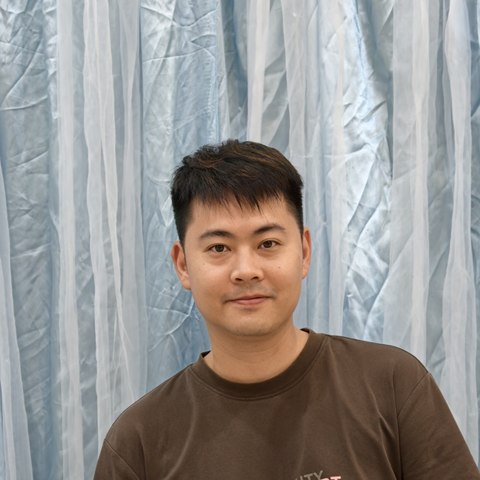
Plywood grade codes on factory quotes look like alphabet soup, but BB/CC vs CDX determines whether a sofa frame survives a decade
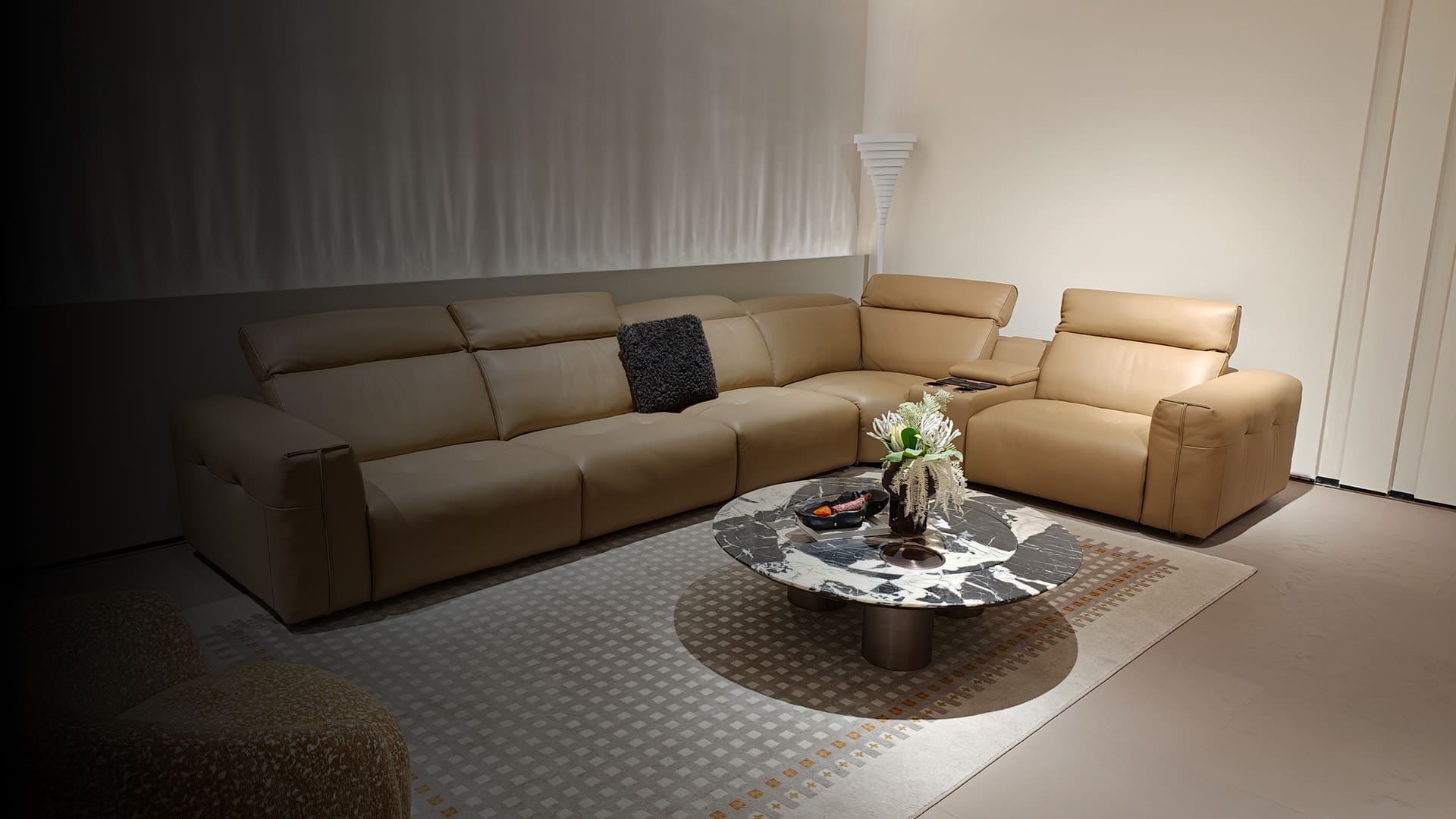
Two factories quote the same three-seater in full-grain leather and the prices differ by double digits. Before assuming one is pad
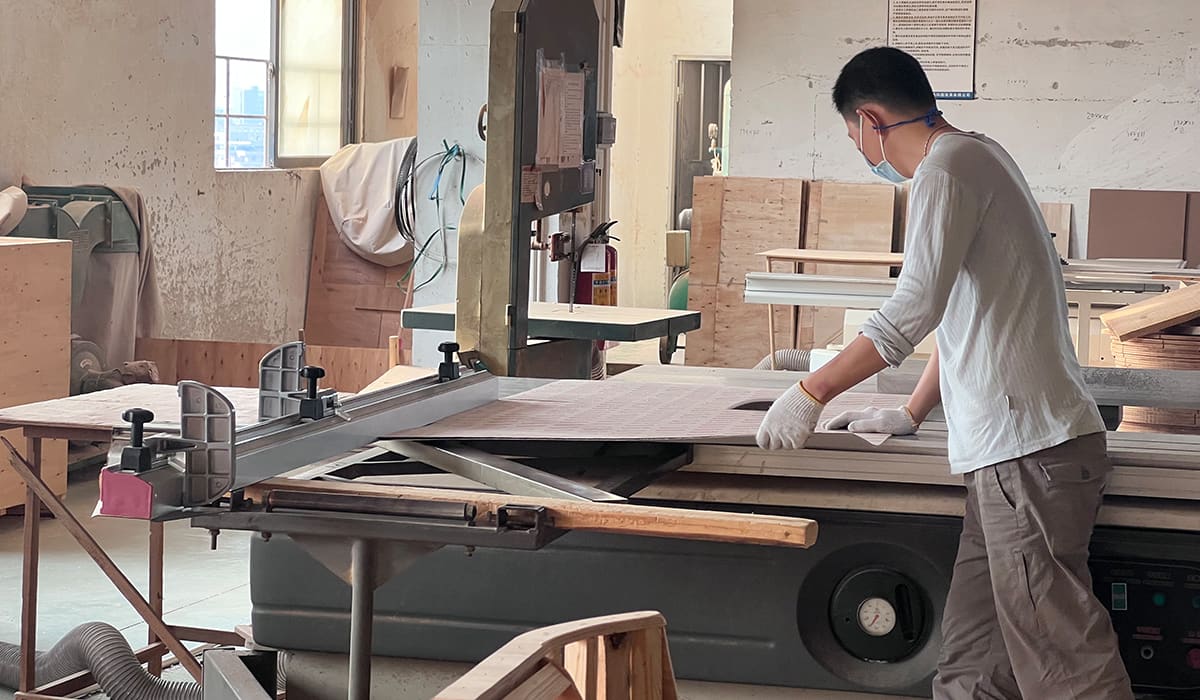
A field-tested guide to identifying, verifying, and qualifying furniture source factories in China. From distinguishing real facto

SCAN TO ADD OUR WECHAT
Leave a Comment