Shipping & Logistics
How to Verify a Real Sofa Factory in Foshan
A factory-verification checklist for sofa importers: 6 signs of a real factory, 5 red flags to avoid, and how to run verification
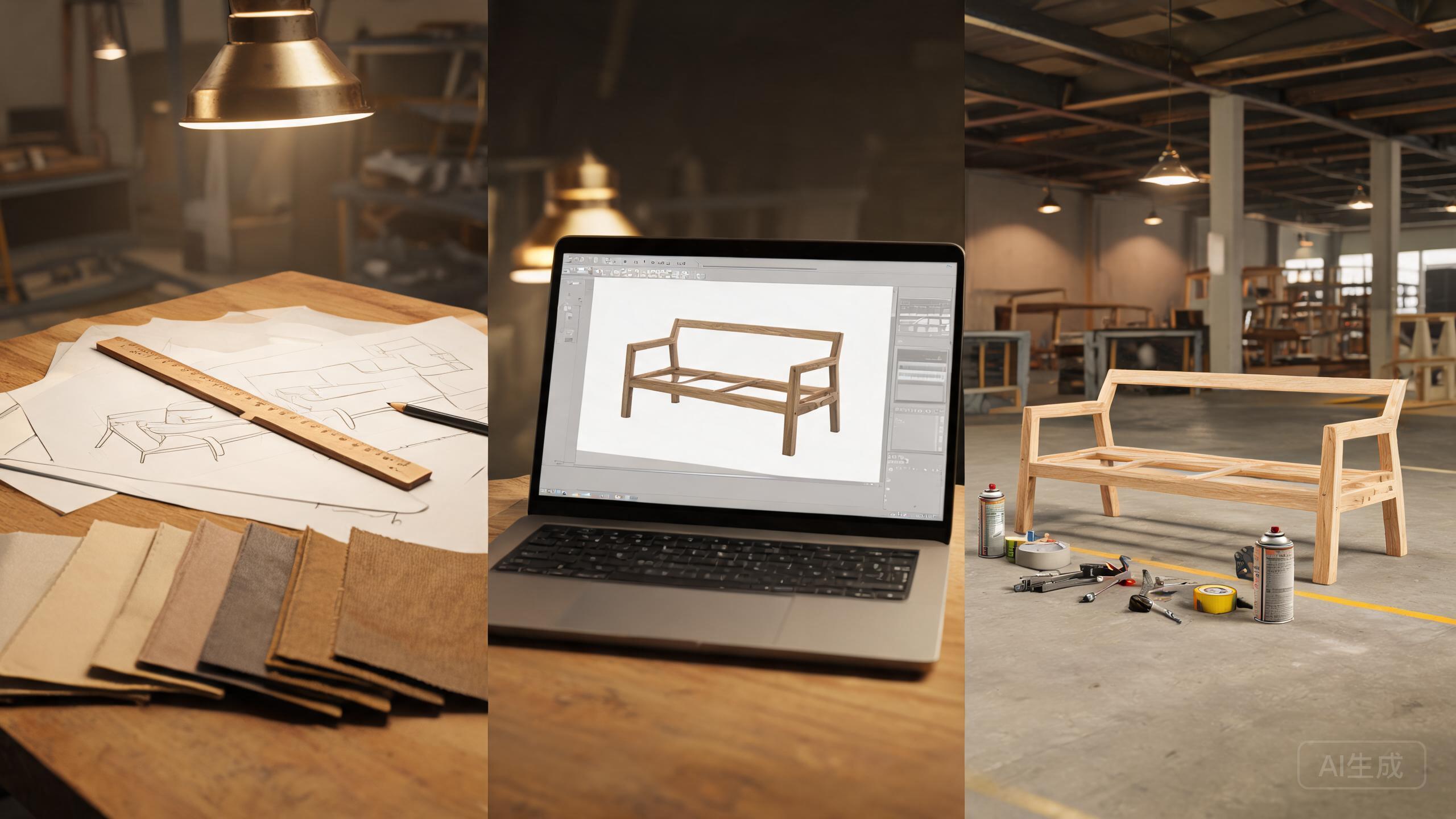
Short answer: If you have a design team and want to own the IP, OEM is right. If you want to enter the market faster with lower upfront cost and less development risk, ODM is right. Most importers use both — ODM for fast launches, OEM for brand-defining pieces.
At ATTICO CASA we run both OEM and ODM programs out of the same Foshan design studio and production floor. Here is how we help importers decide which model fits their stage, budget and brand positioning.
Every furniture brand importer, retailer and startup eventually faces the same decision: build your own product from scratch (OEM) or adapt an existing factory model (ODM)? The question matters because your choice determines your design ownership, your development cost, your lead time to market, your MOQ and your competitive position. See our complete guide to furniture OEM and ODM manufacturing for the full end-to-end production workflow. If you are planning a private label launch, this is the first decision to get right.
OEM (Original Equipment Manufacturer) means you bring your own design — a drawing, a 3D file, a reference sample or even a detailed specification document — and the factory builds it for you. The intellectual property belongs to you, not the factory. The factory is manufacturing your design, not selling you theirs.
Pros:
Cons:
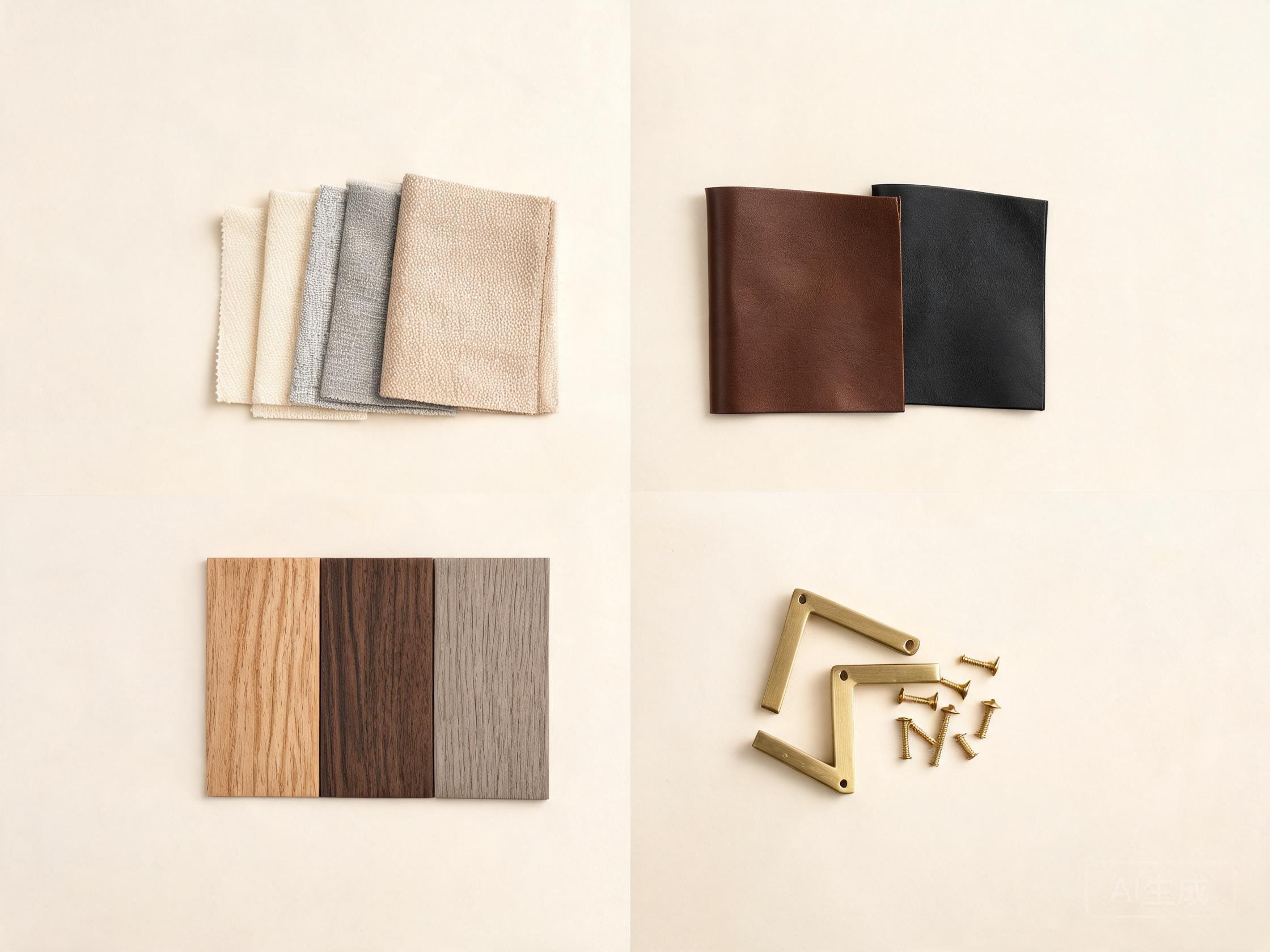
ODM (Original Design Manufacturer) means you select from the factory's existing catalog, then customize it — fabric color, leg finish, cushion density, dimensions, logo placement. The base design belongs to the factory; your customization makes it unique for your brand.
Pros:
Cons:
| Factor | OEM | ODM |
|---|---|---|
| Design ownership | Full — you own all IP | Factory owns base design |
| Tooling cost | $500–$5,000 (one-time) | None |
| Time to first shipment | 3–6 months | 6–10 weeks |
| MOQ | 50–200 pcs/model | 50–100 pcs/model |
| Customization freedom | 100% — any dimension, material, geometry | Bounded by catalog options |
| Brand exclusivity | Yes | No (factory may sell base model) |
| Upfront investment | High | Low |
The biggest practical difference is time. A furniture brand launching in Q1 with OEM is shipping to retailers by Q3. The same brand with ODM is shipping by Q1. The budget difference is equally stark: an OEM program for 10 models may cost $15,000–$30,000 in tooling and development. An ODM program for the same 10 models costs $0 in development — you pay only for customization.
OEM typically requires higher MOQ because the factory has tooling amortization and setup costs to recover. ODM MOQ is often lower because the factory runs catalog models continuously and can slot in small customization orders into existing production runs. That said, we run hybrid programs where an ODM model eventually graduates to OEM once a brand proves market demand and needs more distinctive design — this is the path most successful importers take.
Most brands do not choose one model for everything — they use both, strategically:
We run both models out of one integrated Foshan facility — design studio, prototype workshop and production floor. That means a brand can launch with ODM today and graduate the same model to OEM six months later without switching factories. See our OEM/ODM program for the full capability list.
Absolutely. Most successful brands do exactly this. We regularly run programs where 1–2 OEM hero pieces are mixed with 5–10 ODM-customized models, all shipping together in one container with one set of import documents.
We sign an NDA before you share any design files or reference samples. The NDA covers all design information, rendering, prototype photos and production plans. Once the OEM program launches, the factory is contractually restricted from producing your design for any third party. On your side, we recommend registering the design in your target market (EU Design Registration, US Design Patent, etc.) — we can recommend patent attorneys who specialize in furniture.
An OEM program starts at one model. The minimum investment is typically $500–$2,000 for tooling (if a new mold is needed) plus the MOQ of 50–100 pieces at production cost. For a simple wooden chair or upholstered ottoman, the tooling cost may be zero if existing equipment can handle the design.
Yes — a reference photo, a sketch, or a product you bought and want modified. Our design team will produce CAD files and a 3D render before building the physical prototype. If you have nothing but an idea, we can also help develop it into a production-ready specification.
From catalog selection to pre-production sample: 10–20 days. From sample approval to mass production shipment: 45–60 days. Total time from "I see your catalog and I want this model in bouclé fabric with black legs" to "it's on the container": 8–10 weeks.
Full IP protection for OEM · 500+ model ODM catalog · 45–90 day OEM sample · 10–20 day ODM customization sample · EXW/FOB/CIF/DDP worldwide.
Address: No. 4, Jianye 2nd Road, Shatou Nanjin Village Industrial Zone, Jiujiang Town, Nanhai District, Foshan City, Guangdong Province, China
WhatsApp / WeChat: +86 150 1742 8790
Email: [email protected]
A factory-verification checklist for sofa importers: 6 signs of a real factory, 5 red flags to avoid, and how to run verification
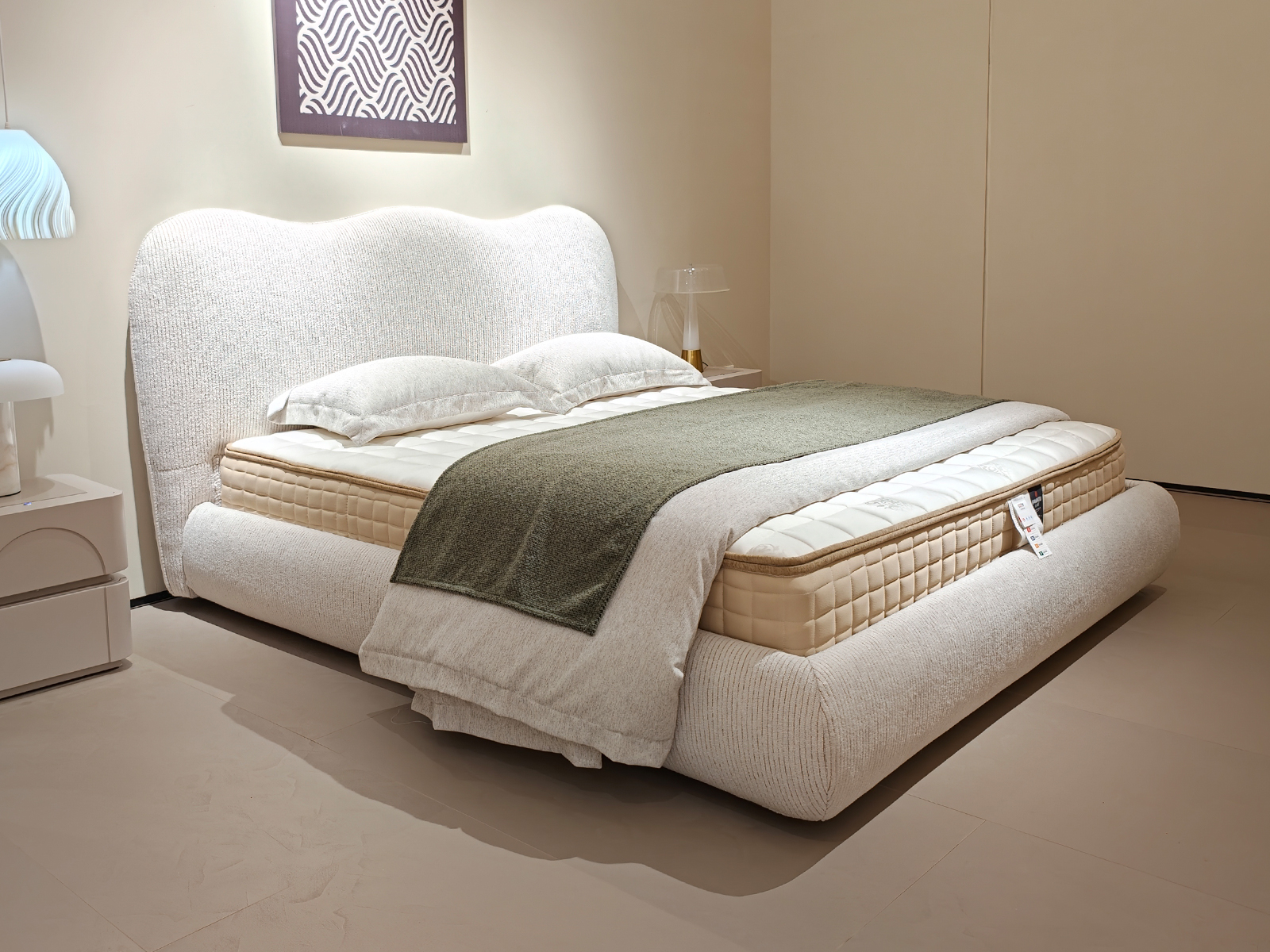
An importer's comparison of upholstered vs solid wood beds: retail margin, 40HQ loading count, manufacturing lead time, market fit
A factory-floor guide to upholstered bed and bedroom furniture sourcing from China: how to pick the right foundation system, match

扫码添加我们的微信
Leave a Comment