Shipping & Logistics
How to Source Upholstered Beds and Bedroom Furniture from China - Complete Guide
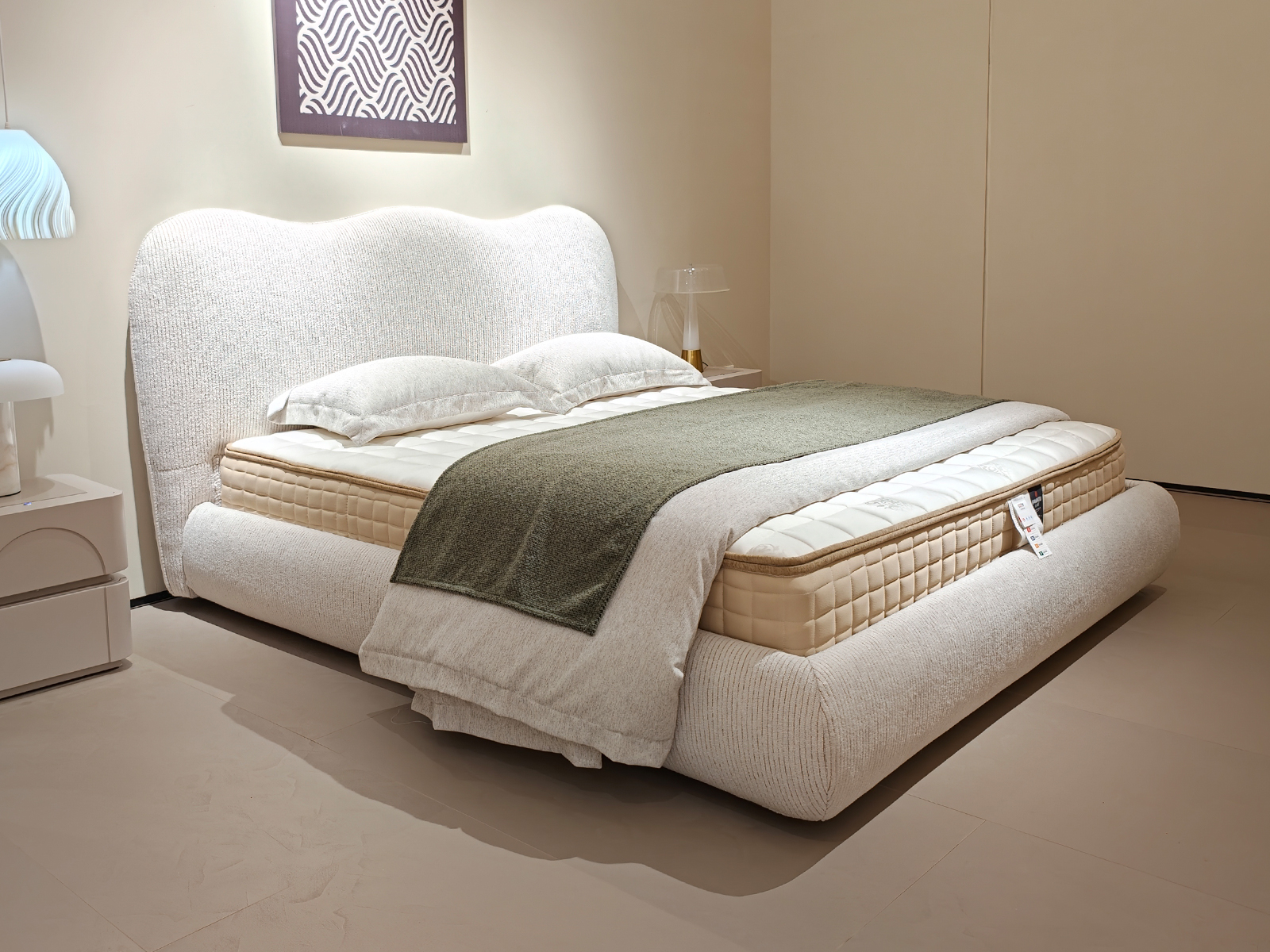
A factory-floor guide to upholstered bed and bedroom furniture sourcing from China: how to pick the right foundation system, match
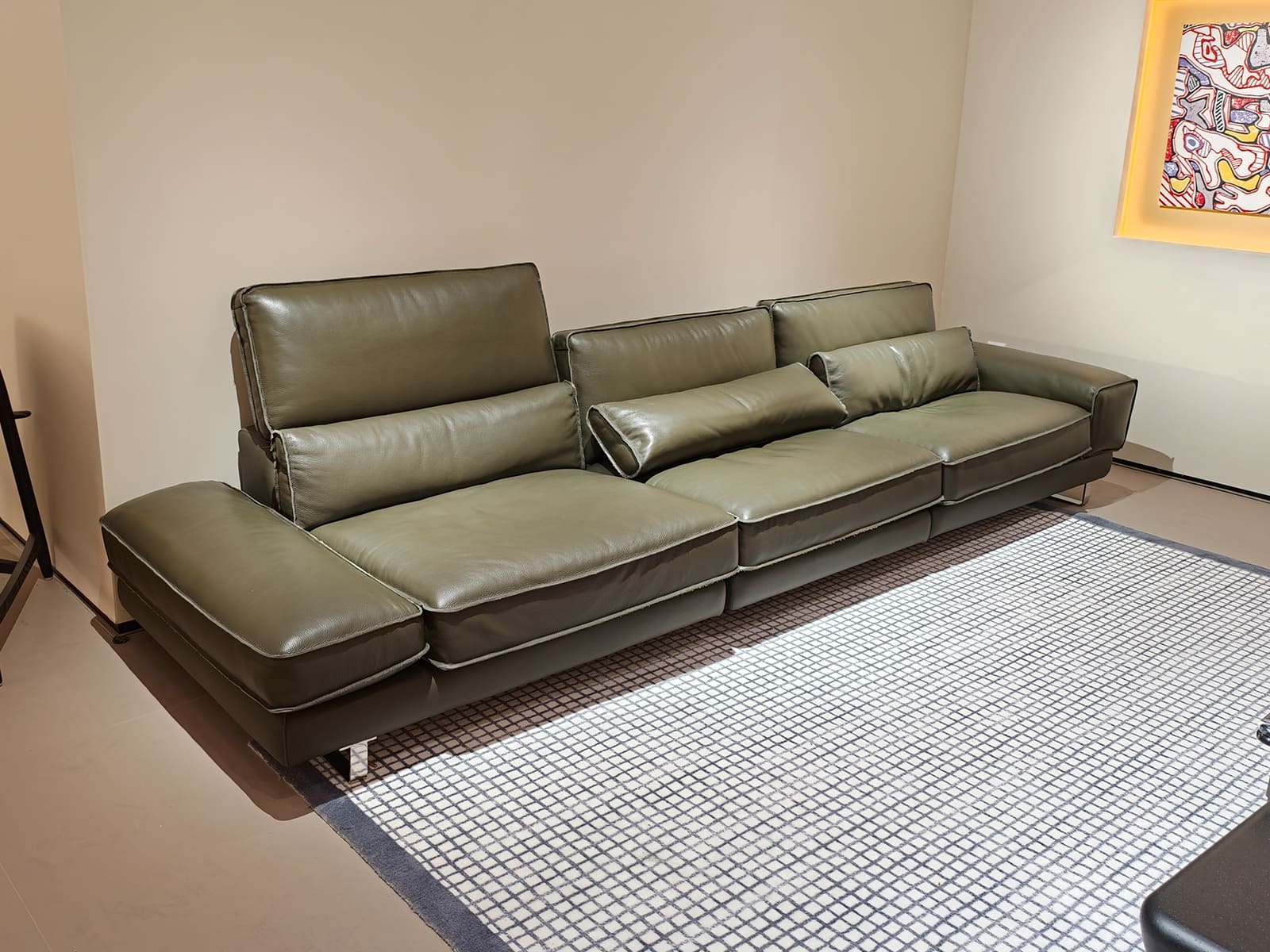
Short answer: Foshan is the deepest upholstered furniture cluster on earth, but the difference between a profitable container and a rejected one is decided before you wire the deposit. Verify the factory, lock the specification in writing, run the container math against real loading numbers, and structure payment so the factory keeps skin in the game until the goods pass inspection.
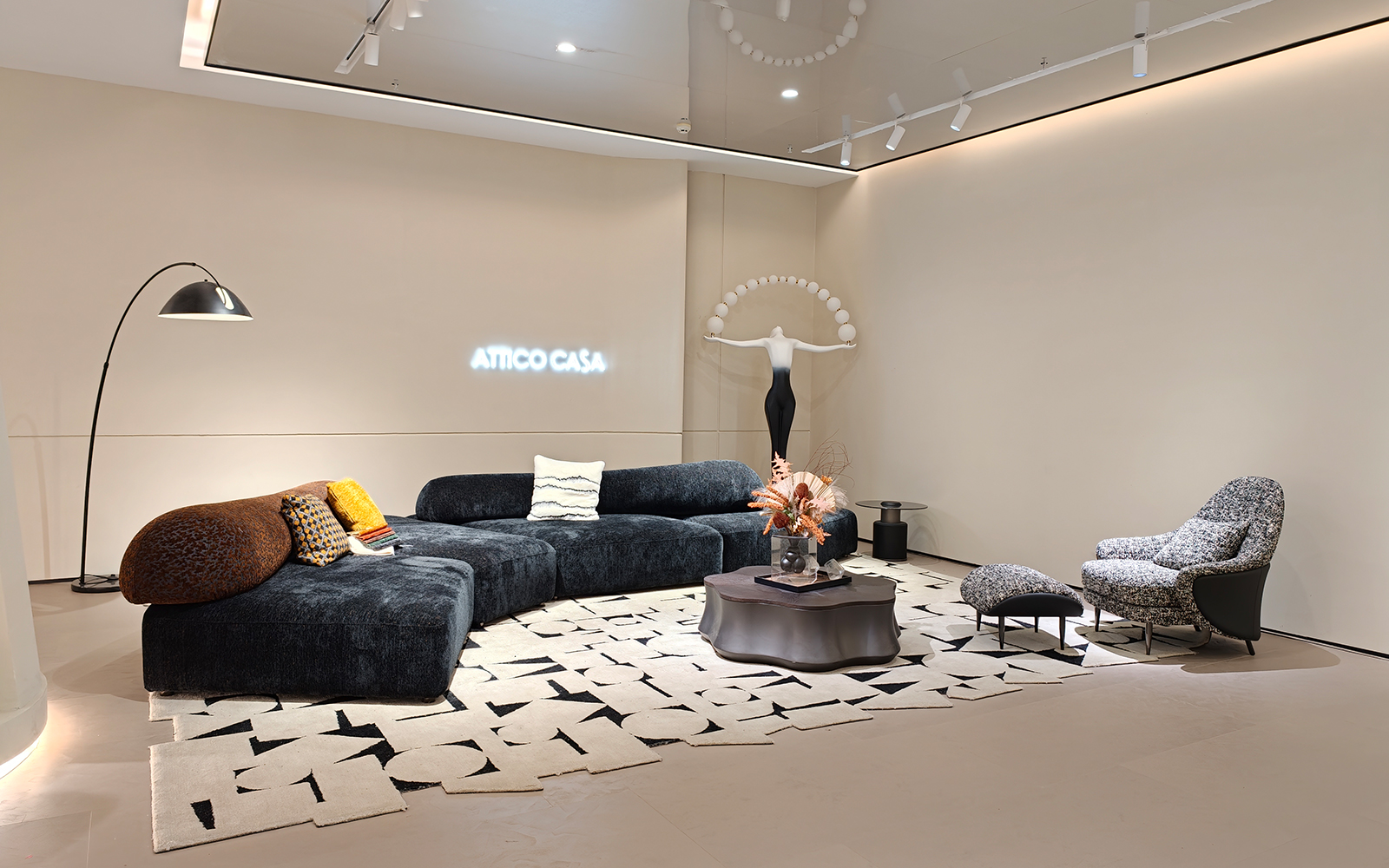
This guide is written from the production floor at ATTICO CASA in Shunde, Foshan — the same protocol we hand to importers, retailers and hotel buyers before they sign a purchase order for a wholesale sofa program.
Every year, thousands of containers of sofas leave Foshan for importers in North America, Europe, the Middle East, Australia and Southeast Asia. Most arrive on time and on spec. A meaningful minority do not — and in nearly every failed shipment, the root cause was a decision made in the first two weeks of sourcing: which factory to trust, what to put in the specification, and how to structure the order.
Foshan is not one market. It is a dense manufacturing cluster covering Shunde, Longjiang, Jiujiang and Lecong, where more than 3,000 upholstery factories share the same foam suppliers, fabric mills, leather tanneries and hardware vendors within a 30-minute drive. That density is why a Foshan factory can quote a three-seater in top-grain Italian leather one week and switch the same model to a bouclé fabric the next — and why the price range across factories for a visually similar sofa can span from $180 to $850 EXW. This guide walks through how to navigate that range, verify who you are actually buying from, and structure a wholesale sofa program that lands on margin.
Importers compare Foshan to Vietnam, Malaysia, Turkey and Poland on every cycle. Vietnam wins on labor cost for simple case goods; Turkey wins on proximity to Europe; Poland wins on EU tariff-free access. Yet Foshan holds the wholesale sofa volume for one structural reason: the cluster has the deepest upholstered-furniture supply chain on earth, and sofas are a supply-chain product, not a labor product.
A mid-size Foshan sofa factory does not make its own frames, cut its own foam, tan its own leather or weave its own fabric. It assembles from a network of specialized suppliers that are physically inside the same cluster. That means:
The depth shows up in the categories a single Foshan factory can ship. At ATTICO CASA we run sofas, beds, mattresses and dining on the same floor, which means an importer can fill a 40HQ with a mixed container — three sofa models, two bed frames and a stack of KD dining chairs — without coordinating three factories. For a retailer building a category, that consolidation is worth more than the per-unit price difference between Foshan and a lower-cost cluster. Browse our wholesale sofa collection for the live range, or the wholesale sofas program for MOQ and packing specifics.
The single most expensive mistake in Foshan sourcing is paying a trading company's margin for what you thought was a factory's price. Trading companies are not inherently bad — a good one adds value through QC and logistics — but you need to know which one you are dealing with, because the verification steps and the pricing expectations are different.
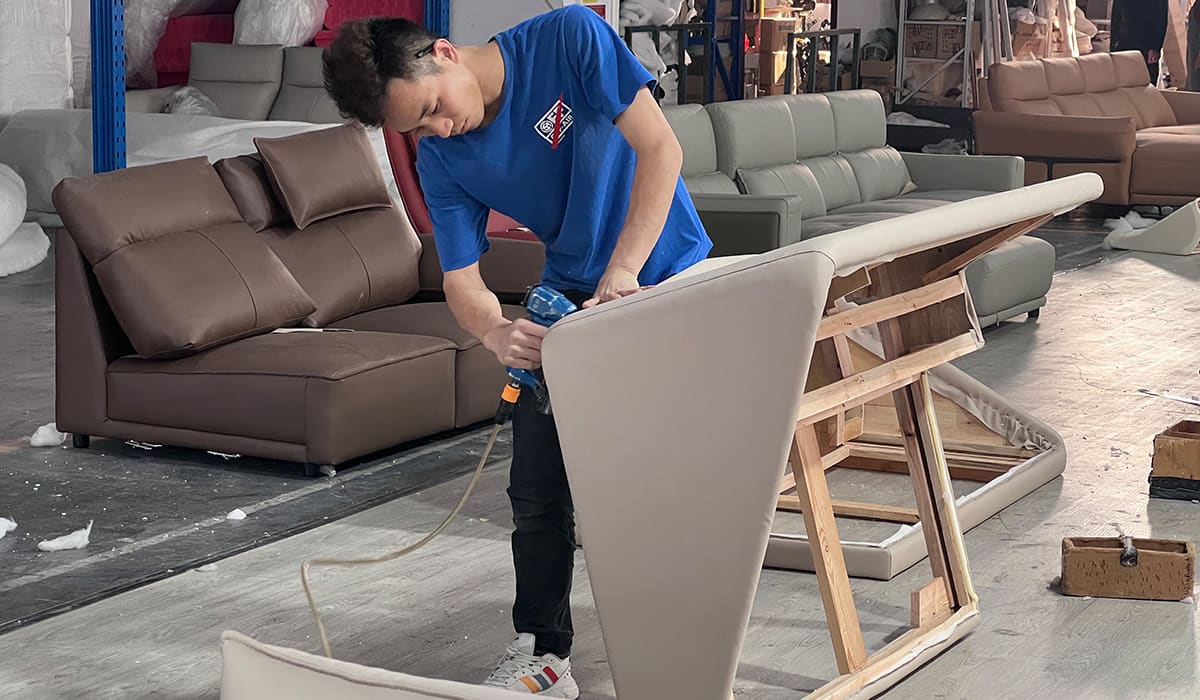
Documents filter out the obvious trading companies. Physical verification filters out the rest. A factory that cannot show you its own production line during working hours is a factory you should not pay a deposit to.
Our sister article How to Verify a Real Sofa Factory in Foshan covers the full checklist, and What to Check During a Sofa Factory Audit walks the on-site protocol.
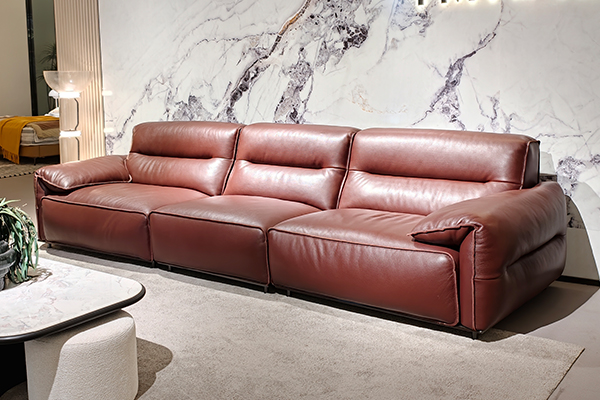
Foshan factories organize their wholesale catalogs into five program categories. Each has a distinct MOQ, price tier and buyer profile.
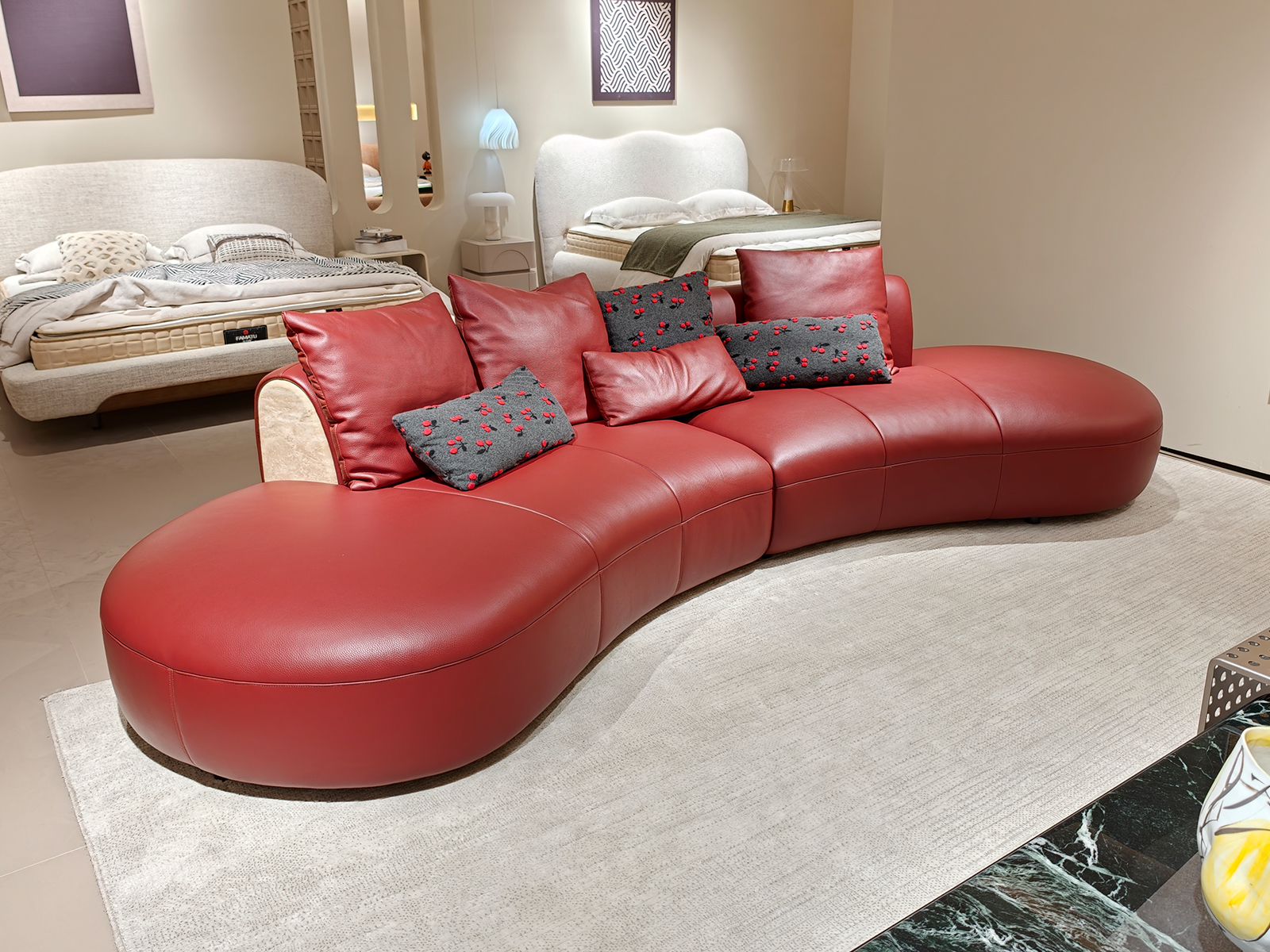
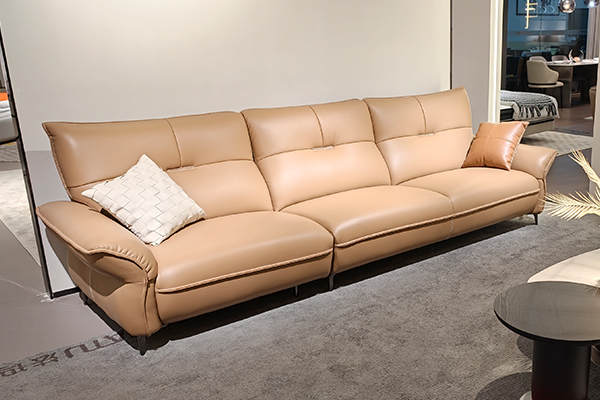
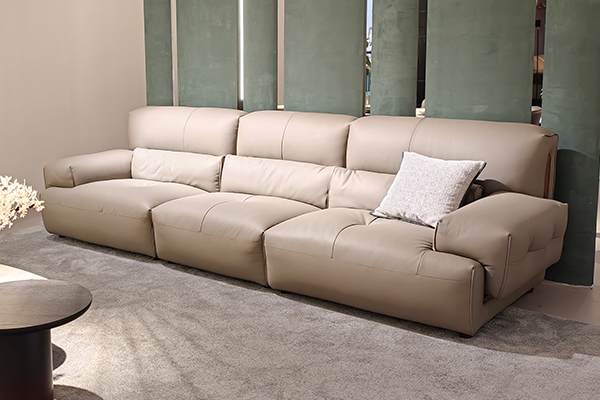
The largest category by volume. Modular programs are built around a shared frame platform with interchangeable arms, corners, chaises and ottomans, so a single SKU list can support dozens of retail configurations. Wholesale pricing ranges from $280 to $650 per three-seat equivalent depending on foam density, frame timber and upholstery grade. Modular is the right category for retailers who want to offer configurable layouts without holding thirty different SKUs.
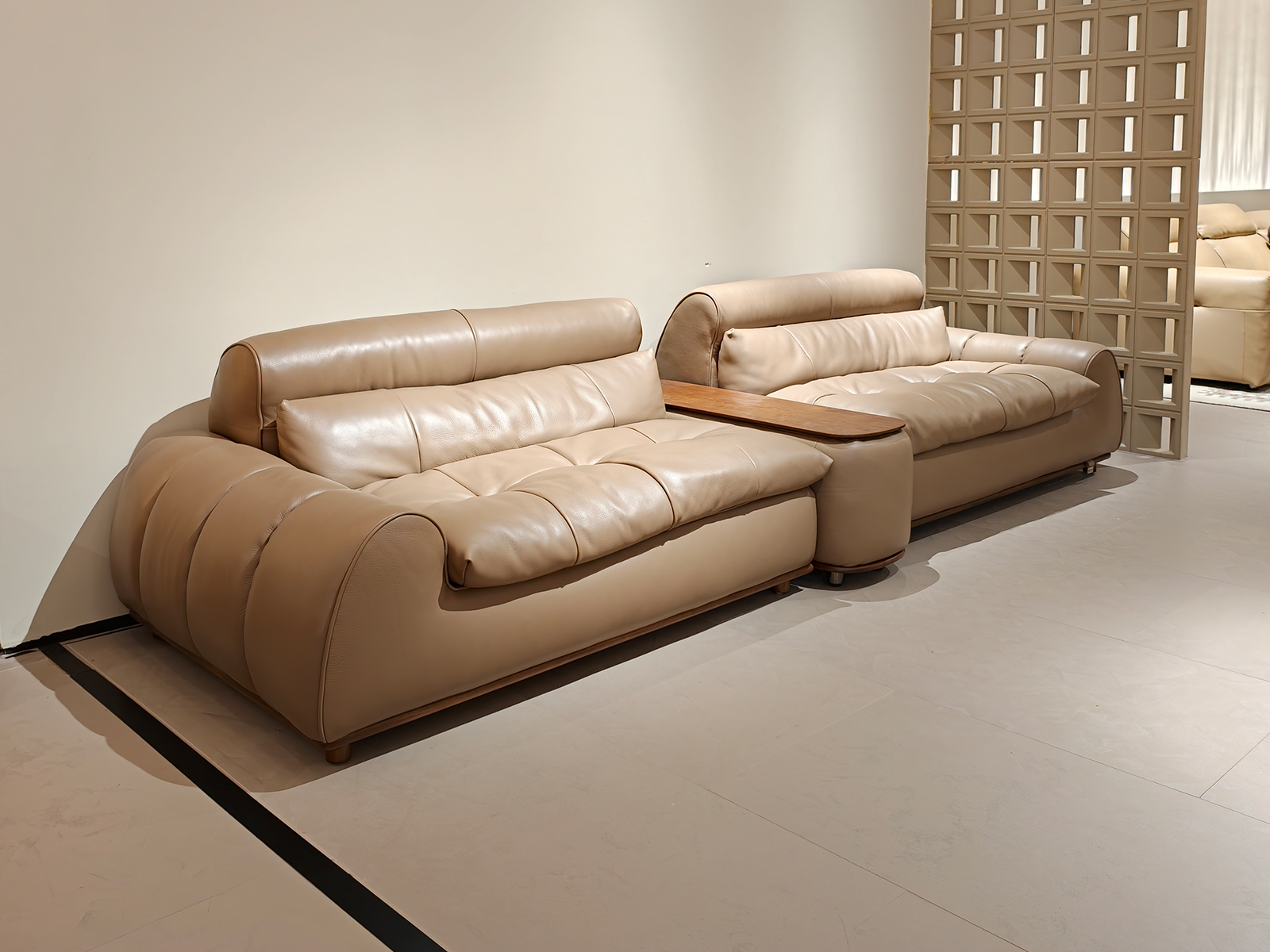
Top-grain Italian leather is the Foshan standard for export; full-grain is available at a premium. Leather sofas carry the highest per-unit price ($550–$1,400 per three-seater) but also the highest retail margin and the longest replacement cycle. The specification trap here is leather grade confusion — "genuine leather" in a Chinese factory quote can mean anything from top-grain to bonded leather. Lock the grade, the hide origin and the thickness (1.0–1.2mm is the export standard) in writing.
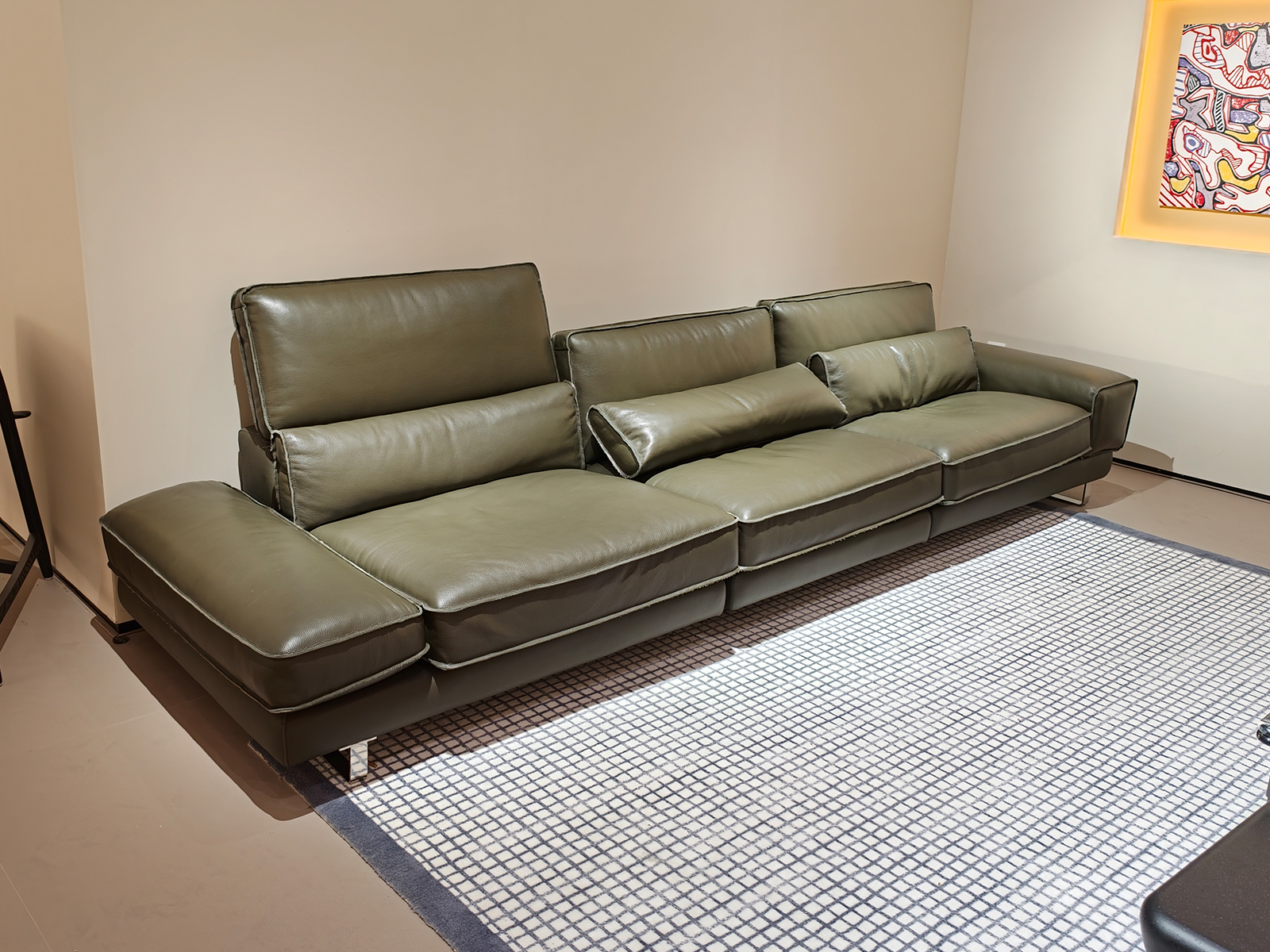
Chesterfields, tuxedo sofas and rolled-arm classics are a smaller-volume category but a stable one — they do not cycle out of fashion the way contemporary silhouettes do. Wholesale pricing is $400–$900 per three-seater. The differentiator is button-tufting quality: hand-tufted Chesterfields hold their shape for years, machine-tufted imitations develop loose buttons within a season.
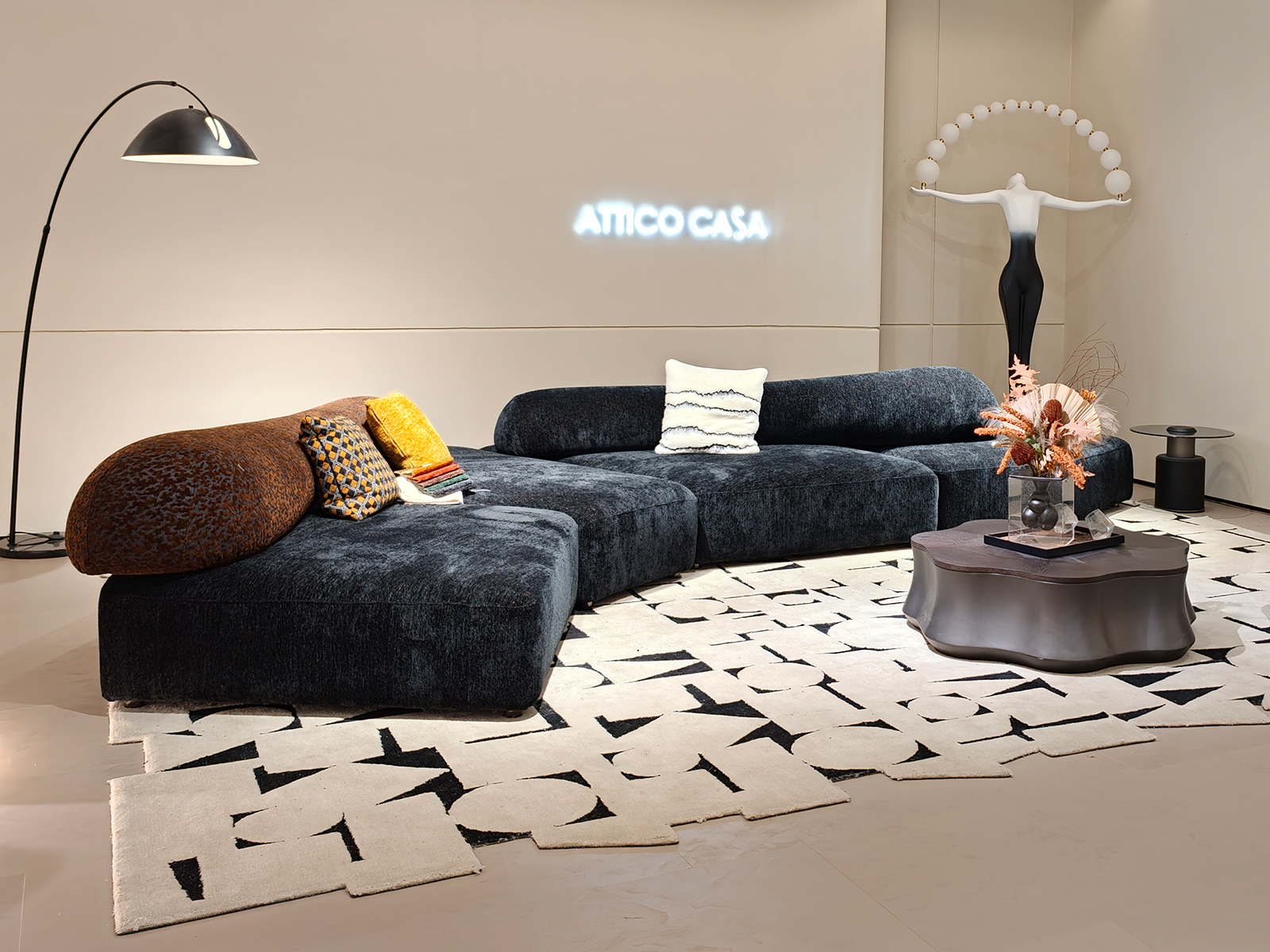
Recliners, power-motion sofas and sofa beds are the fastest-growing category, driven by North American and Australian demand. The mechanism is the product — a Leggett & Platt or equivalent mechanism carries a 5-year warranty, while an unbranded mechanism may fail within 18 months. Wholesale pricing is $450–$1,100 per unit depending on manual vs. power and upholstery grade.
Knock-down (KD) and vacuum-compressed sofas are the freight-economics play. A KD sofa ships flat-packed and assembles in 15 minutes with basic tools; a compressed sofa has its foam vacuum-packed to 30% of its original volume and recovers in 72 hours. Both formats load 3–4x more pieces per 40HQ than a standard pre-assembled sofa, which is the single biggest lever on landed cost. More on this in the packing section below.
The wholesale sofa business is won or lost on arithmetic, not aesthetics. Three numbers decide whether a container makes money: the MOQ you commit to, the tier pricing you unlock, and the loading efficiency of your packing format.
The Foshan standard for export wholesale is 50 pieces per model, with mixed-container loading allowed across models. That means a 40HQ can carry three to five different models at 10–17 pieces each, which lets a retailer test a range without committing to a single SKU. Trial orders below MOQ are possible at a 10–15% surcharge, which is the right move for a first-time factory relationship.
Wholesale quotes are tiered by total pieces per model per order. A typical tier structure for a mid-range modular sofa:
The tier is per model, not per order. Mixing five models at 20 pieces each does not unlock the 100-piece tier on any of them. If you want the discount, concentrate volume on fewer SKUs.
A standard 40HQ container has 76 cubic meters of usable space. Loading efficiency depends entirely on packing format:
At a typical FOB-to-Rotterdam ocean freight of $3,500–$5,000 per 40HQ, the freight cost per sofa drops from roughly $200 (pre-assembled) to $55 (KD) to $45 (compressed). On a $400 FOB sofa, that is the difference between a 50% landed-cost markup and a 11% markup. The packing decision is not a logistics afterthought — it is the single largest variable on your gross margin. Our How to Pack Sofas to Save Container Space and KD, Compressed and Standard Packing Compared articles run the full math.
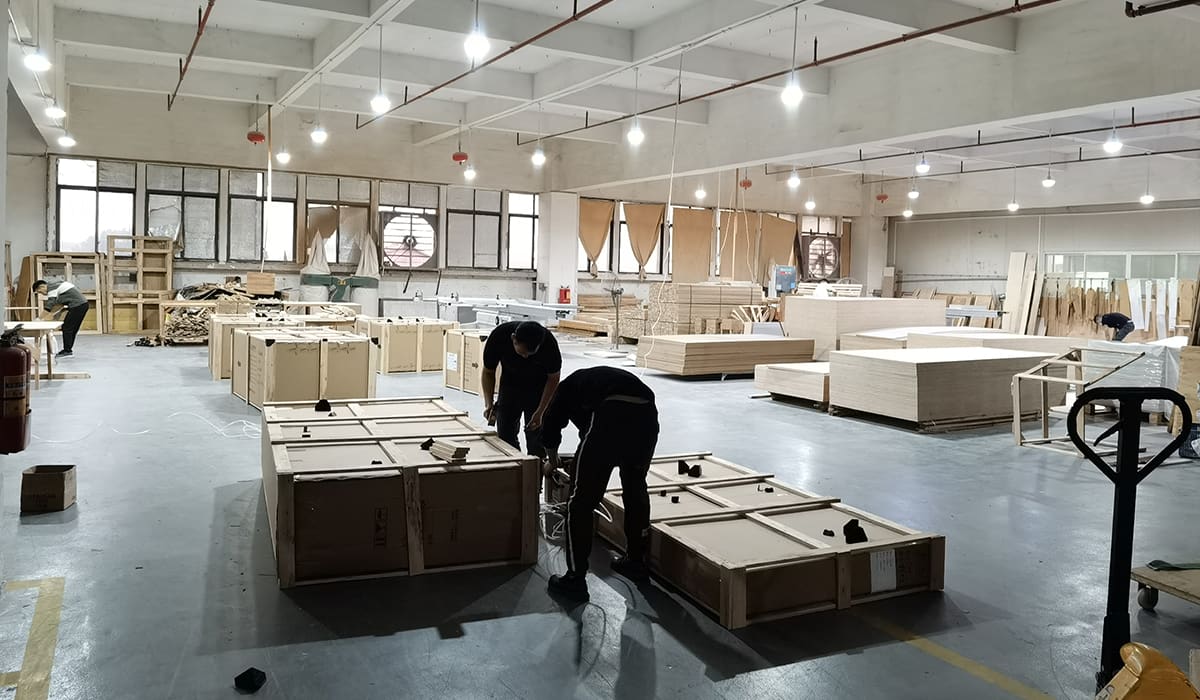
The sample you approve in the showroom is not the sofa that will ship in the container. The gap between the two is where quality disputes live. The fix is a written specification that names materials, densities and tolerances — not visual descriptions.
The frame is the skeleton and the warranty risk. Kiln-dried hardwood (birch, beech or rubberwood) with corner-block reinforcement is the export standard; plywood frames are acceptable for budget tiers if the plywood is 15mm or thicker and the joints are both glued and screwed. Avoid frames that mix solid wood and MDF without disclosure — MDF swells in humid transit and cracks at the joints. See Solid Wood Frame vs Plywood Frame for the material comparison.
Foam density is measured in kilograms per cubic meter (kg/m³) and is the single biggest determinant of how the sofa feels in year three. The export standard for seat cushions is 35–45 kg/m³ high-resilience foam; back cushions run 25–30 kg/m³. Anything below 28 kg/m³ in the seat will sag within 18 months of retail use. Specify the density, the ILD (Indentation Load Deflection) and the supplier — "high-density foam" without a number is not a specification. Our Foam Density, Seat Comfort and Durability guide has the full reference table.
For fabric, specify the Martindale abrasion rating (25,000+ for residential, 40,000+ for commercial and hospitality), the fiber composition, and the colorfastness grade. For leather, specify the grade (full-grain, top-grain, corrected-grain or bonded), the thickness, the hide origin and the tanning method. A sofa described as "genuine leather" with no further specification is a dispute waiting to happen. The Sofa Fabric Guide walks through hospitality and residential selection.
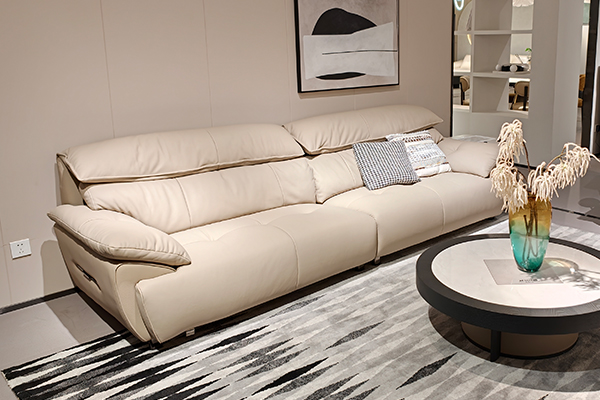
The packing format is a product decision, not a logistics decision. Each format trades off freight economics against assembly effort, retail presentation and damage risk.
Many importers mix formats in a single container — premium leather pre-assembled, modular KD, and a stack of compressed accent chairs — to balance the presentation and the freight math. A good factory will build the loading plan around your model mix and send you the cube calculation before you commit.
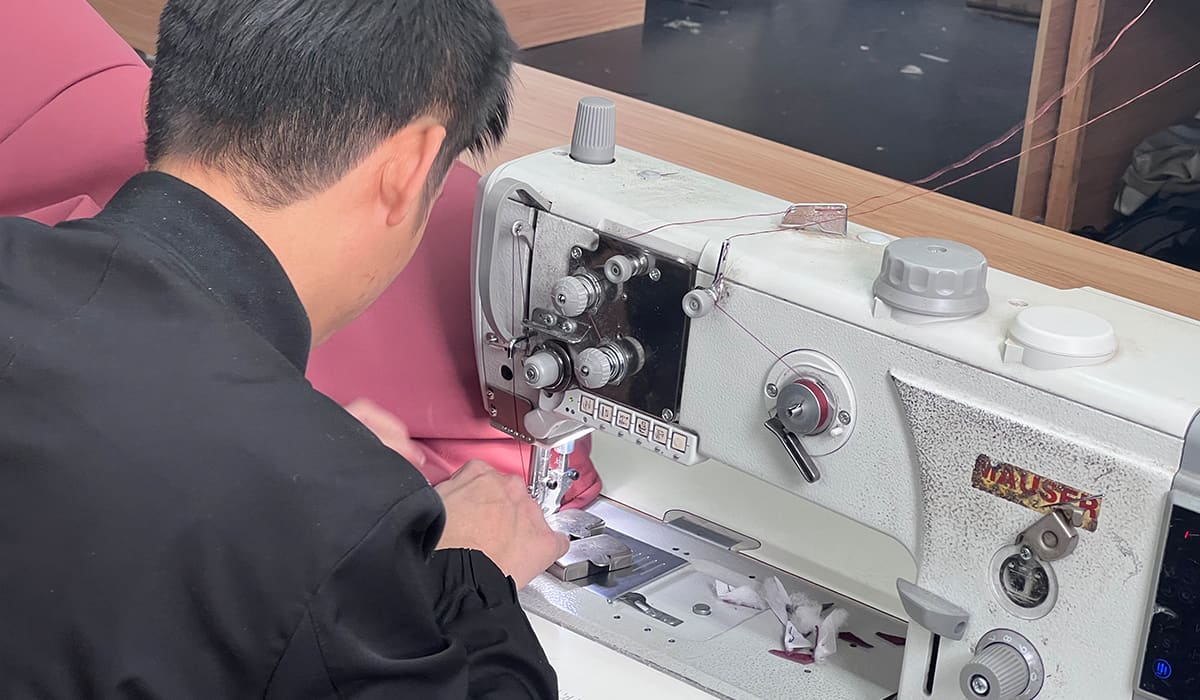
The gap between a successful wholesale program and a rejected container is usually decided at the sampling stage, not the production stage. The protocol that works:
Always run two samples, not one. The first is the design confirmation sample — it proves the factory can build to your specification. The second is the pre-production golden sample, pulled from the actual mass-production line using the actual bulk materials, which becomes the reference standard for the pre-shipment inspection. The gap between these two samples is where cost-cutting shows up. If the factory resists pulling the golden sample from the mass-production line, that is a signal about what they intend to do in mass production.
For orders above $20,000, require photo and video updates at three production milestones: frame assembly (before upholstery), upholstery completion (before packing), and pre-packing (with the QC tag visible). A factory with a real QC process will send these without being asked. A factory that sends them only after you ask twice is a factory that does not have a QC process.
For orders above $30,000, a third-party pre-shipment inspection (SGS, TÜV, Bureau Veritas or a Foshan-based independent inspector) is the standard. The inspection covers quantity, workmanship, specification compliance against the golden sample, and packing integrity. Cost is typically $300–$600 per inspection, which is the cheapest insurance on the order. Structure the payment so the balance is released only after the inspection passes — more on this below.
The commercial structure of the order determines who carries the risk when something goes wrong — and in furniture, something always goes wrong eventually.
The Foshan export standard is 30/40/30: 30% deposit at order confirmation, 40% at production completion (with photo/video evidence), and 30% after pre-shipment inspection passes and before loading. This structure keeps the factory's skin in the game through the entire cycle. Variations to avoid:
EXW, FOB, CIF and DDP are all available from Foshan factories. The right choice depends on your logistics capability:
The honest production window for wholesale sofas is 45–60 days after deposit and specification confirmation. The breakdown:
A factory quoting 25–30 days for a custom wholesale order is either pre-building without your spec or compressing the curing and QC windows, both of which show up as quality issues in year one. Add 25–35 days for ocean freight to North America or Europe, and 7–14 days for destination clearance and inland delivery.
The patterns below show up in nearly every failed wholesale sofa program we have been asked to rescue. Each is avoidable with a single decision made earlier in the process.
The standard MOQ is 50 pieces per model, with mixed-container loading allowed across models. A 40HQ typically carries three to five models at 10–17 pieces each. Trial orders below MOQ are available at a 10–15% surcharge for first-time buyers testing the market or the factory relationship.
Production runs 45–60 days after deposit and specification confirmation. Ocean freight adds 25–35 days to North America or Europe, 18–25 days to the Middle East and Australia, and 7–14 days for destination clearance and inland delivery. Total door-to-door from order confirmation is typically 80–110 days for FOB terms.
Yes — catalog customization is the most common wholesale program. Fabric, leather grade, foam density, leg finish, dimensions and configuration can all be modified on an existing frame platform. Full custom development from a drawing or a reference sample runs through our OEM/ODM service with NDA protection, 3D rendering and a 30–45 day sampling cycle.
Standard pre-assembled packing ships the sofa fully built — highest freight cost, zero assembly. KD flat-pack ships the frame disassembled with hardware and assembly sheets, loading roughly 3x more per container. Vacuum-compressed packing reduces the foam to 30% volume, loading roughly 4x more per container with 72-hour recovery. The right choice depends on your retail channel, your customer's assembly tolerance and your freight budget.
Three mechanisms: a written specification with named materials and densities, a golden sample pulled from the mass-production line before bulk production starts, and a 30/40/30 payment structure that conditions the final 30% on a passed pre-shipment inspection. Together these shift the quality risk back to the factory, where it belongs.
We ship to importers in North America, Europe, the Middle East, Australia and Southeast Asia. EXW, FOB, CIF and DDP are all supported. FOB is the default for most wholesale programs because it lets you control the ocean freight and the forwarder relationship while we handle export clearance at Foshan.
20+ years manufacturing · 1,000+ SKUs · MOQ from 50 pcs per model · EXW/FOB/CIF/DDP worldwide · 45–60 day lead time.
Address: No. 4, Jianye 2nd Road, Shatou Nanjin Village Industrial Zone, Jiujiang Town, Nanhai District, Foshan City, Guangdong Province, China
WhatsApp / WeChat: +86 150 1742 8790
Email: [email protected]

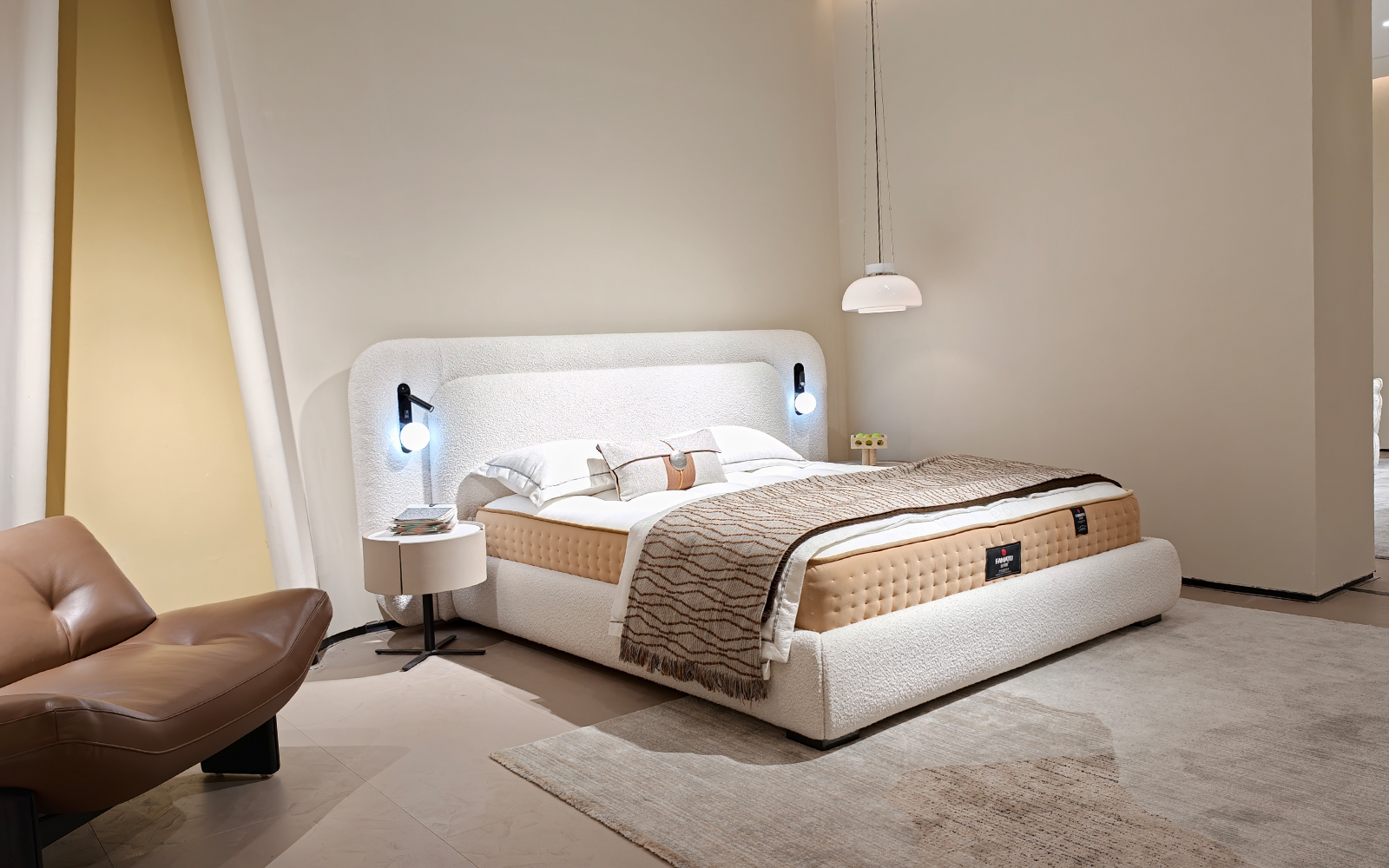
A factory-floor guide to upholstered bed and bedroom furniture sourcing from China: how to pick the right foundation system, match
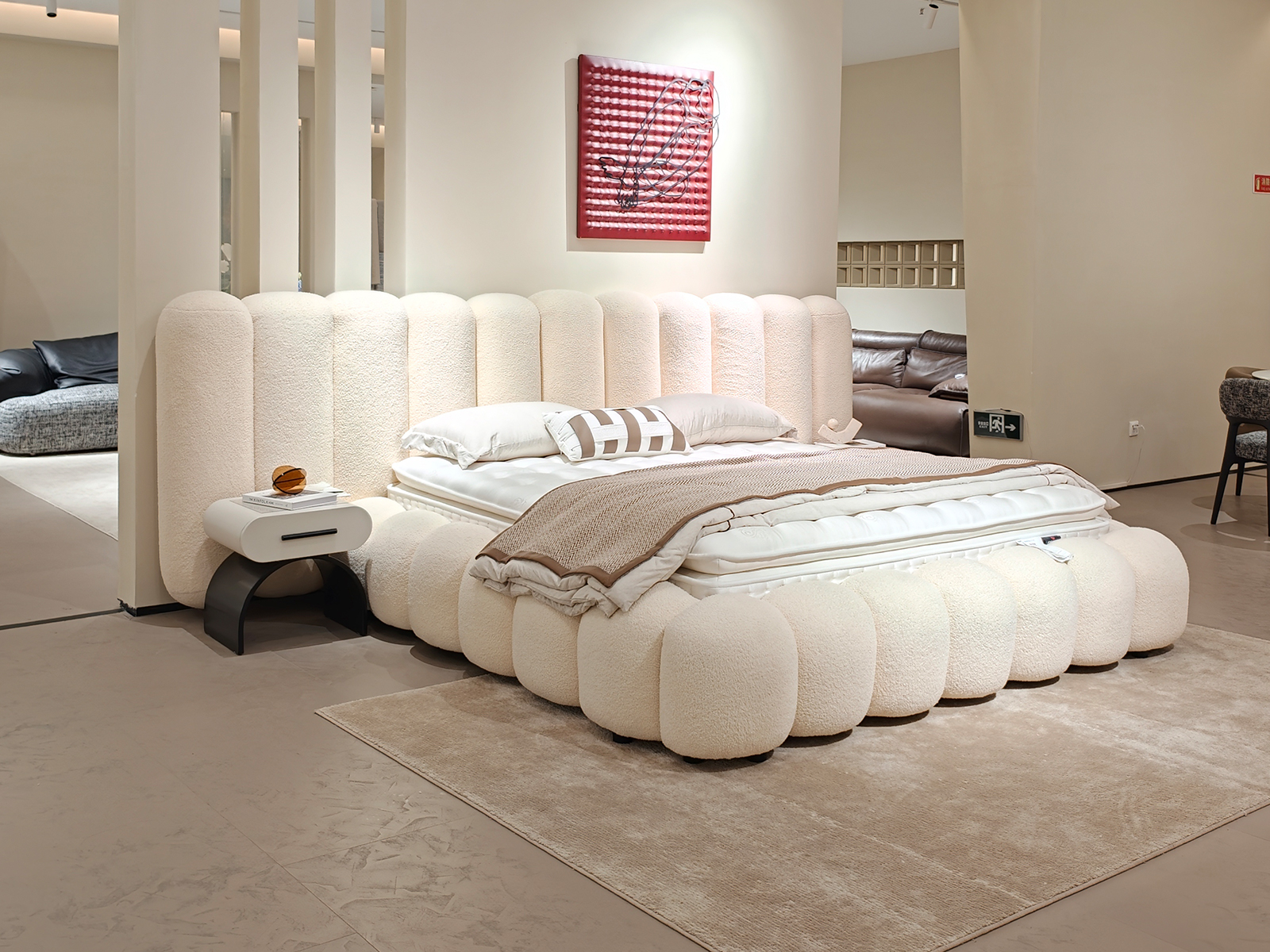
A factory-floor guide to hotel FF&E furniture sourcing in Foshan: how to spec fire-compliant furniture for commercial guest rooms,
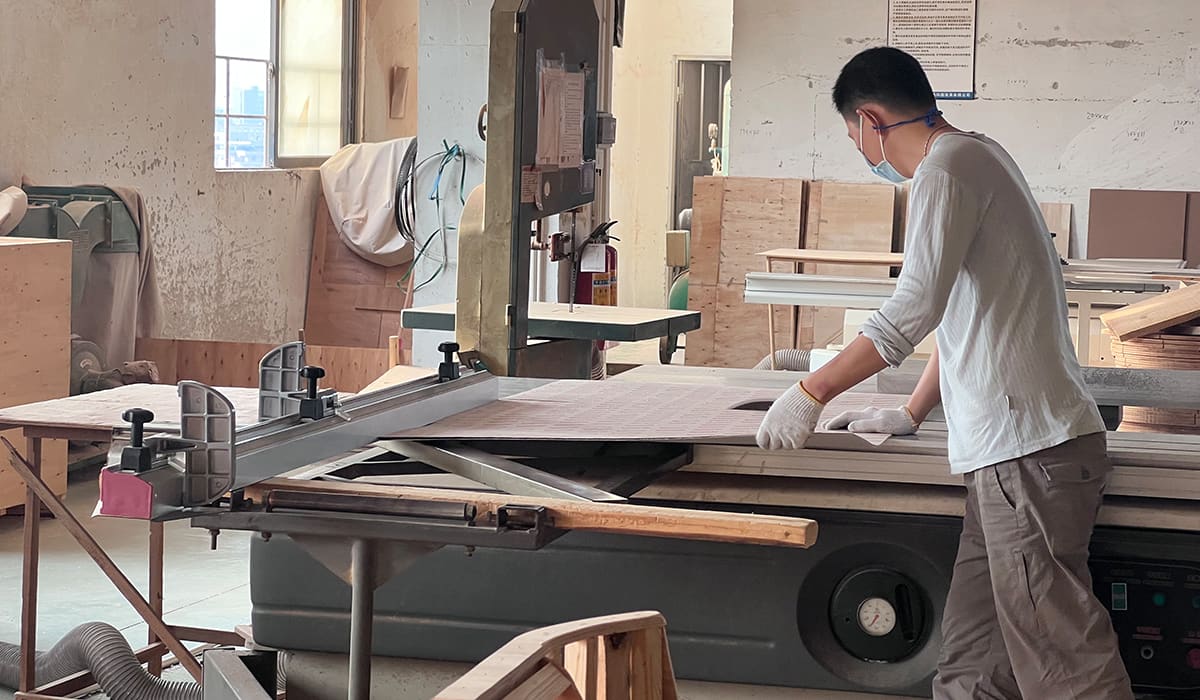
A field-tested guide to identifying, verifying, and qualifying furniture source factories in China. From distinguishing real facto

SCAN TO ADD OUR WECHAT
Leave a Comment